How often should you clean solar panels?
What soiling does to output, and how to decide on a cleaning schedule
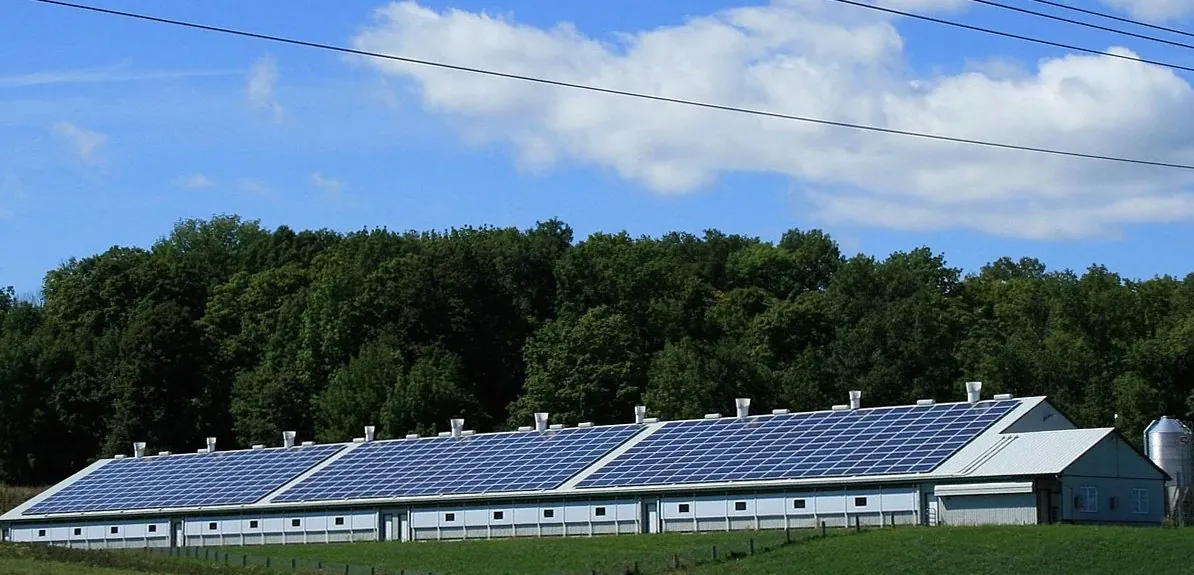
Panel cleaning is easy to overlook because the panels look fine from the ground. The output data can tell a different story. This note explains what soiling does to performance and how to decide on a cleaning schedule for your own roof.
The pollen problem in spring
Cedar pollen season in much of Japan runs from late winter into spring. The fine powder settles into the textured coating of a panel and does not always wash off in light rain. By the end of the season, panels that were last cleaned the previous autumn can carry a visible film that cuts the light reaching the cells. How much output is lost depends on the amount of pollen, the tilt of the roof and the rain, so there is no single figure that fits every house.
Summer dust and bird droppings
In the dry weeks before the rainy season, dust builds up on the surface. Bird droppings are a more local problem, but a single deposit on one cell can cut the output of the whole string it belongs to, an effect known as partial shading.
Heavy rain rinses some soiling away, but light rain can leave mineral marks as it dries. For the same reason, purified water, which dries without residue, is generally preferred for cleaning over ordinary tap water.
Deciding how often
For many roofs, once or twice a year is a reasonable starting point, for example after the pollen season and again before winter. Roofs near building sites, farms or busy roads, or under places where birds roost, may need more. Steep roofs that rain keeps clean may need less. Treat this as a starting point, not a rule.
The best guide is your own output data. Compare the current weeks with the same weeks in earlier years: a gap that appears without a change in weather is often the first sign that cleaning is overdue.
Before anyone climbs up
Falls are the main risk, so please do not climb onto the roof or use a pressure washer yourself. Abrasive tools can also damage the coating, and many panel makers specify how their panels may be cleaned, so check the manual and the warranty first. A cleaning visit is also a good moment for a visual look at the rails, clamps and cables, and anything unusual should be reported to you in writing.
Whether we offer cleaning for your property, and at what price, is confirmed by email once we know where it is.