Solar inverter lifespan and when to plan for replacement
What to watch for as an inverter ages, and what a replacement usually involves
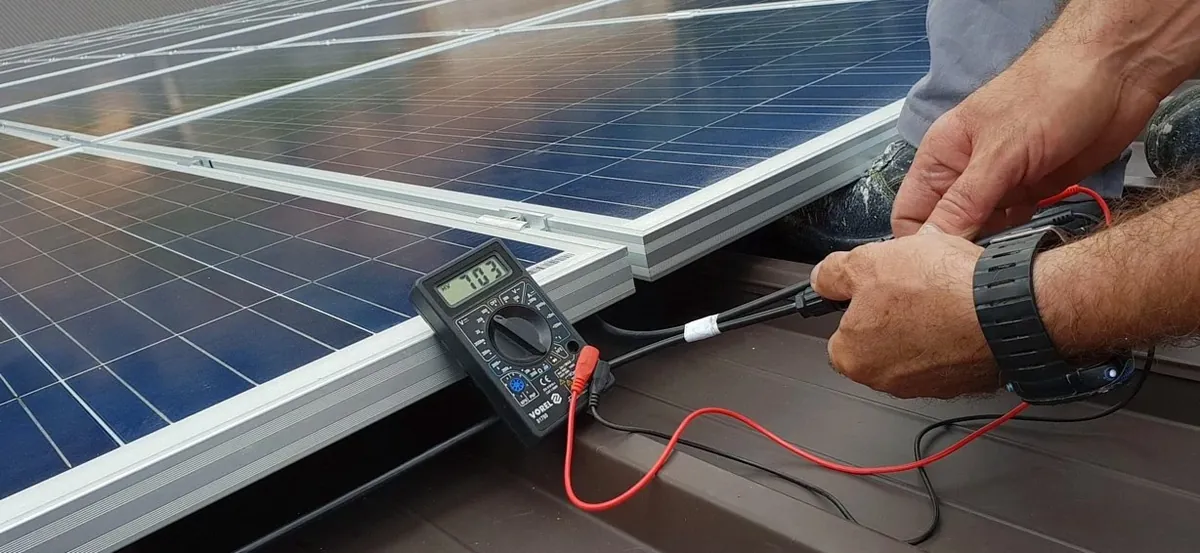
The inverter converts the DC electricity from the panels into AC electricity for the house. It is also the part of a solar system most likely to need attention before the panels do. This note covers what to expect as an inverter ages and what a replacement involves.
Service life and what affects it
Many residential inverters in Japan come with a manufacturer warranty of around ten years, which is worth checking for your own unit, and many keep working for longer. Service life varies by model and by operating conditions. Inverters installed in the early years of the FIT scheme are now at or beyond the age where a review is sensible.
Operating temperature is a main factor. An inverter on a south-facing wall in direct sun, or in a poorly ventilated space, will age faster than one in a shaded, ventilated spot. If yours sits somewhere that gets very hot in summer, it is worth having it assessed before problems appear.
Warning signs
The usual early signs are error codes on the monitoring display, a drop in output that persists after the panels are clean, and an inverter that runs noticeably hotter than it used to. Some inverters log fault codes internally without showing them on the screen, and a technician can read these with the manufacturer's tool.
A complete failure is usually obvious: the system stops producing and the display goes blank or shows a fault. Partial failures, where the inverter keeps running at reduced efficiency, are harder to spot without earlier output data to compare against.
What a replacement involves
A replacement is usually a short job on site, but the details depend on the system. The installer confirms the panel string layout, selects a compatible unit, removes the old inverter, wires the new one to the existing strings and commissions it. If the system is connected under the FIT scheme, changing the inverter can have administrative consequences, such as notifications to the power company or the scheme administrator, so ask who handles them before the work is booked.
We can look at systems installed by others. Original documents help; if they are missing, a site visit can usually establish the configuration, though not always. Electrical work on a solar system has to be done by qualified people, and the quote names who will do it.
If your system is more than ten years old and nobody has looked at the inverter recently, arrange an inspection, with us or with any qualified installer, before a failure stops the output.