Choosing solar panels suited to Japan's climate
Temperature coefficients, humidity ratings and wind loads: what to ask about before you accept a quote
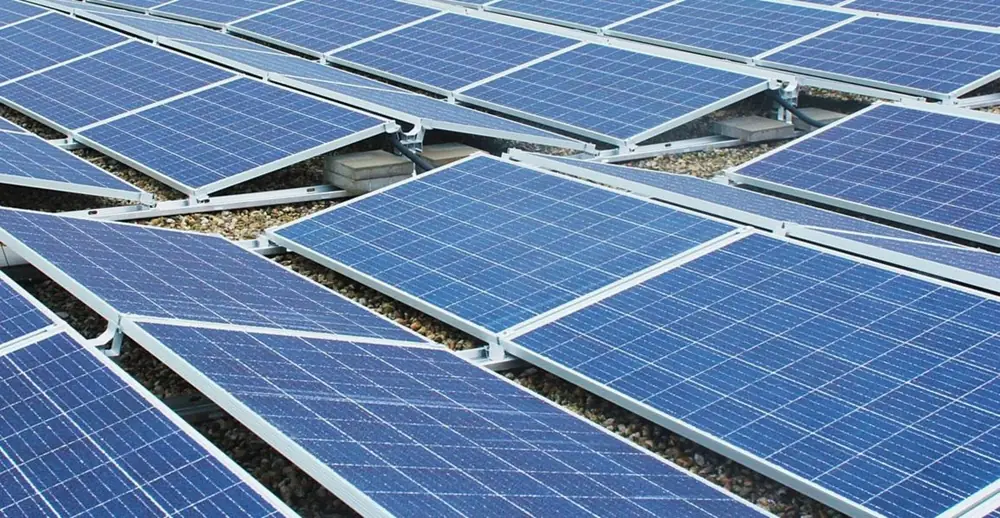
Not all solar panels behave the same way in Japan's climate. Hot, humid summers and the typhoon season affect output and durability in ways that are worth understanding before you accept a quote. This note covers the technical points that matter most and what to look for on a product datasheet.
Why heat reduces panel output
Solar panels produce less electricity as they get hotter. The temperature coefficient on the datasheet expresses this as a percentage loss per degree Celsius above the standard test temperature of 25 degrees. A panel rated at minus 0.35 percent per degree loses about 3.5 percent of its rated power when the cells are 10 degrees hotter than the test condition.
On a sunny summer day, cell temperatures on a roof can run 30 to 40 degrees above the air temperature. At 35 degrees above the test condition, a panel rated at minus 0.35 percent is running at roughly 88 percent of its rated power, and one rated at minus 0.26 percent at roughly 91 percent. Real figures depend on the roof, the gap behind the panels and the wind, so read these numbers as an illustration of why the coefficient matters, not as a forecast for your house.
Humidity and ingress protection
Summer humidity in Japan is high enough that the sealing of a panel matters. The junction box on the back, where the wiring connects, is a common place for moisture to get in over the years. Ratings such as IP67 or IP68 describe how well it is sealed; they are listed on the datasheet, and it is reasonable to ask for them.
Near the coast, salt in the air is a second reason to look at the corrosion resistance of frames, rails and fixings. Manufacturers publish salt-mist test classes for products meant for coastal sites, so if your property is close to the sea, ask whether the product you were quoted has one.
Typhoon season and mounting hardware
Frames, rails and clamps have to withstand the wind loads that apply at your address. Building rules and the manufacturers' installation manuals set out wind conditions, and the mounting system has to be chosen and fixed accordingly. This is a structural question: it belongs in the written quote, and whoever designs the mounting should be able to tell you which standard and which wind conditions it was designed for.
After a major typhoon, a visual check of the rails and clamps from the ground is sensible. If anything looks displaced, ask the company that fitted the system to inspect it instead of climbing up yourself.
- Compare the temperature coefficient: a smaller absolute value means less loss on hot days
- Look for the junction box ingress rating on the datasheet
- Ask which wind conditions and standards the mounting system was designed for
- Ask for the manufacturer's datasheet, not only the brochure
If you hold a quote from anyone and want a second pair of eyes on the datasheet, send it to us and tell us what is unclear. We will point out what we notice. We cannot judge a product for a roof we have not seen, which is one more reason a survey comes first.